
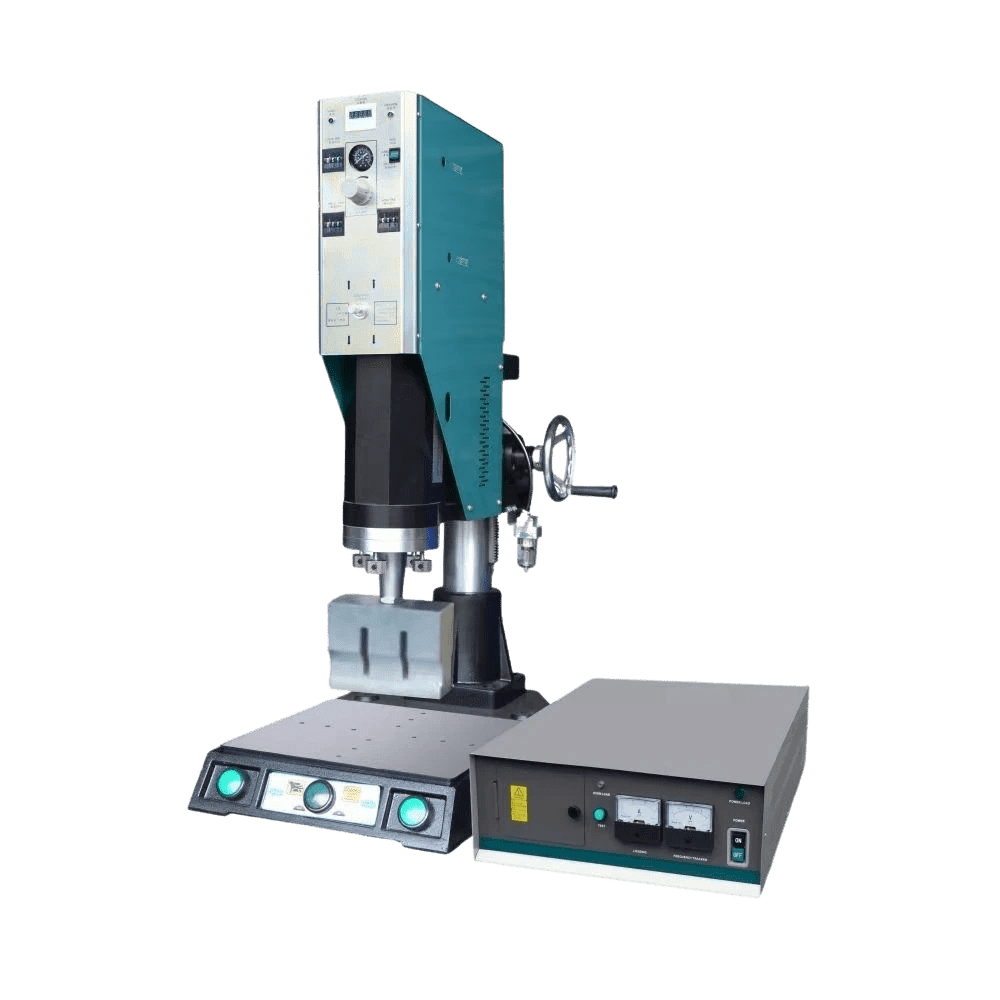
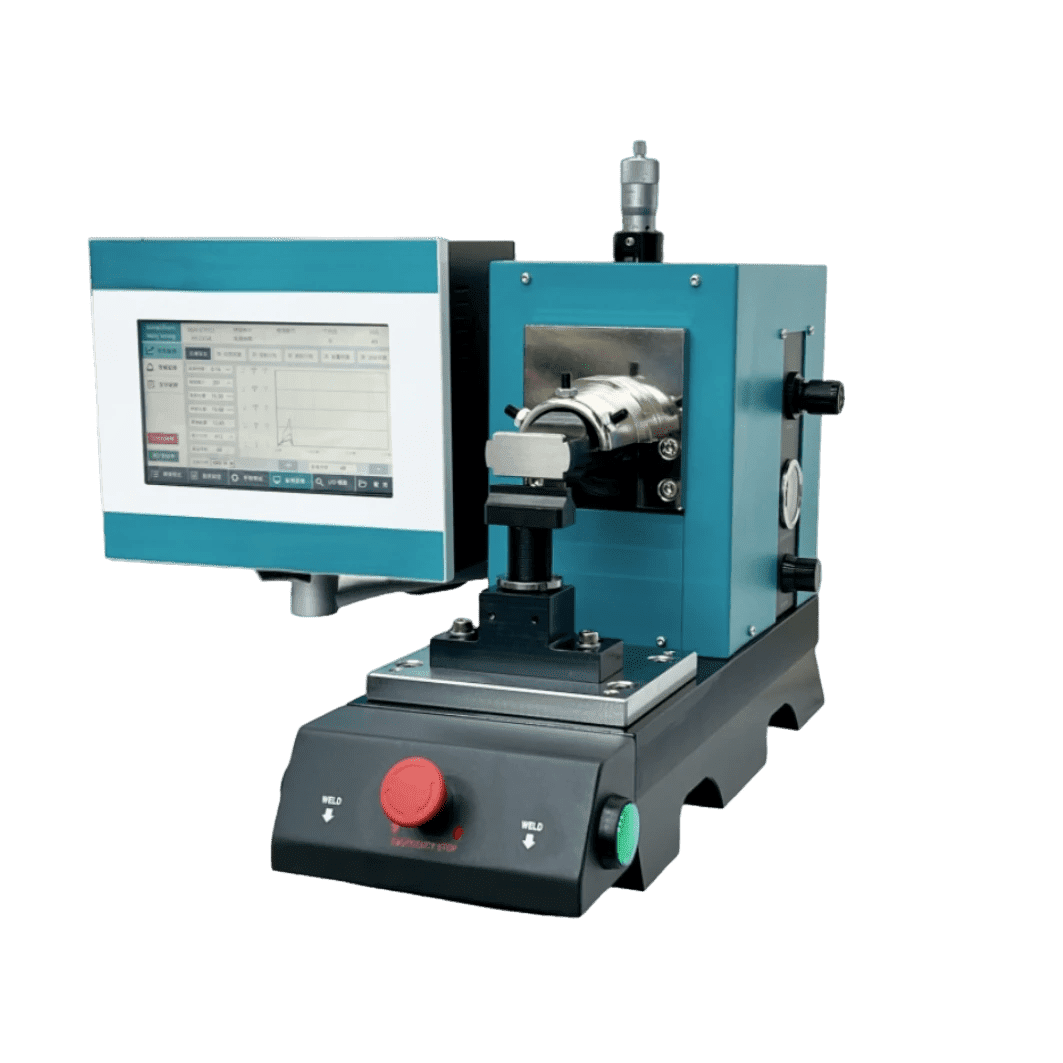
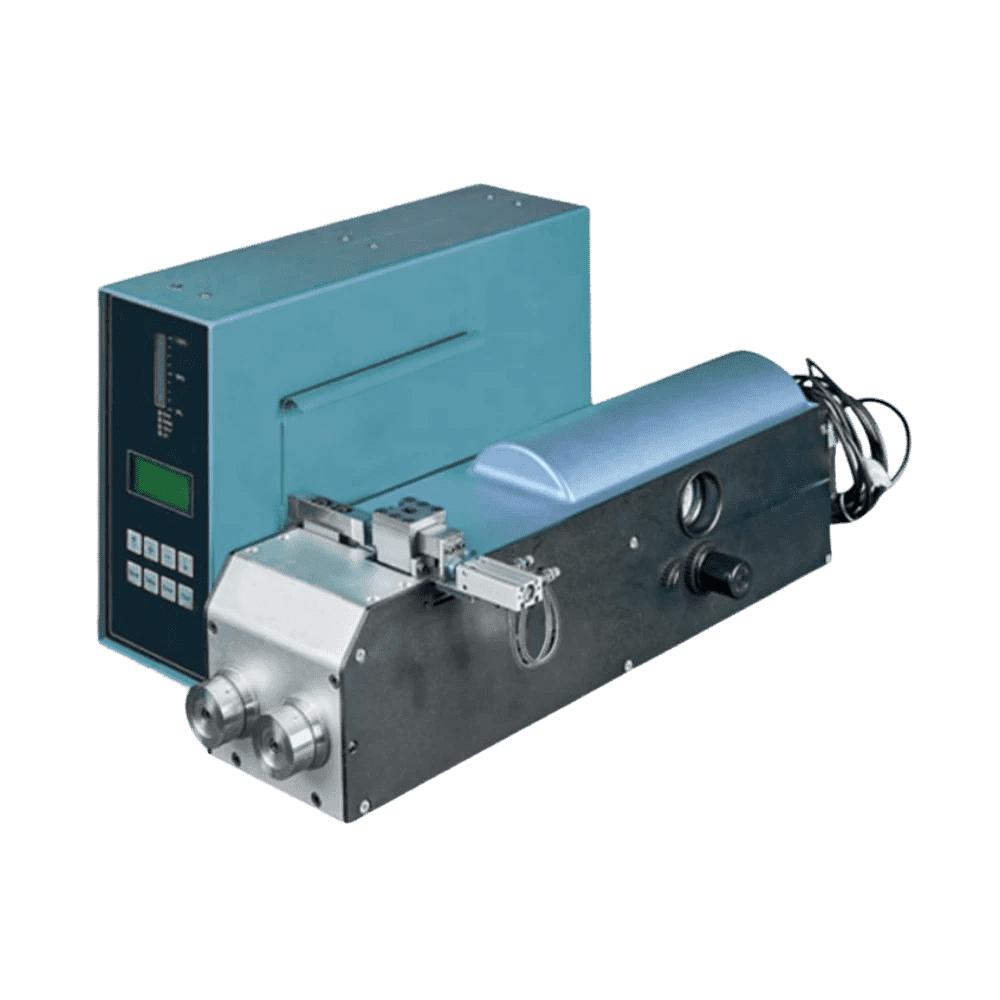
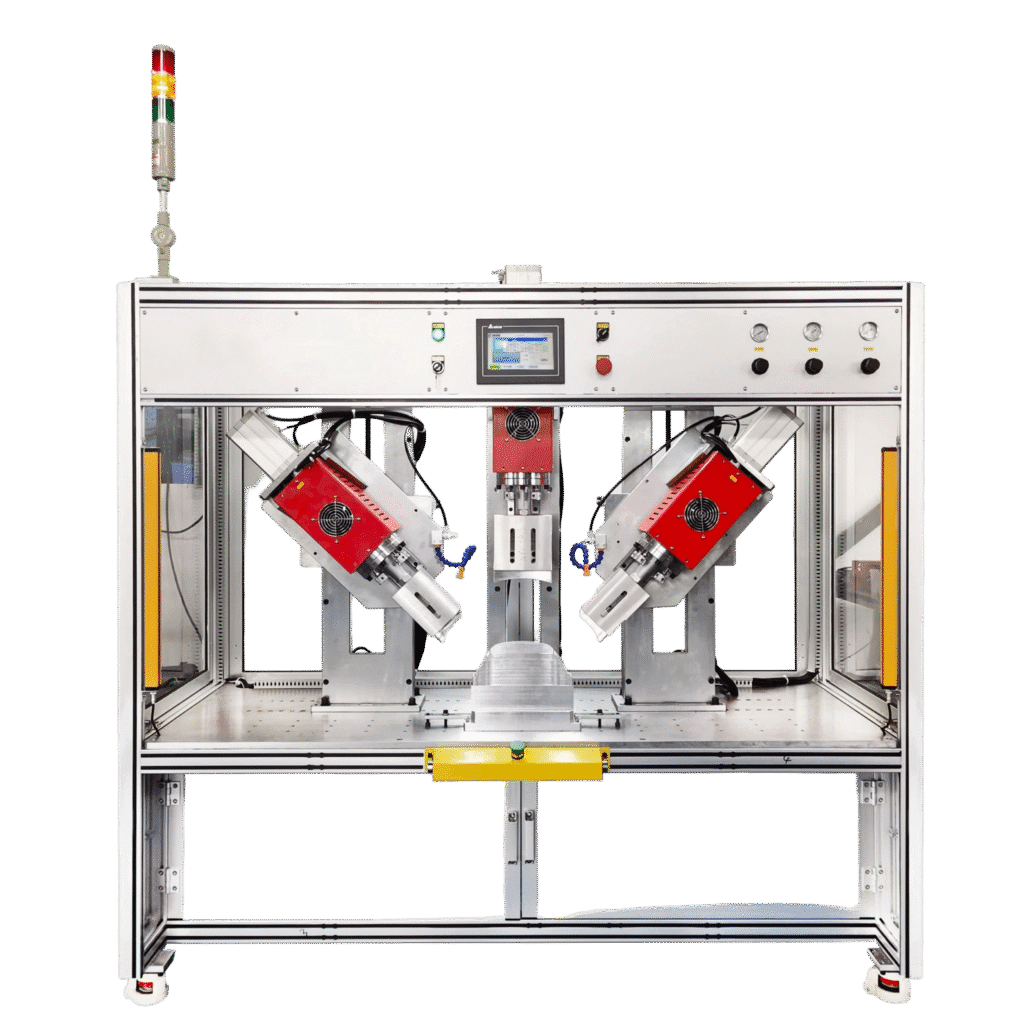
Ultrasonic Metal Welding Machine
Lithium-Ion Battery Manufacturing
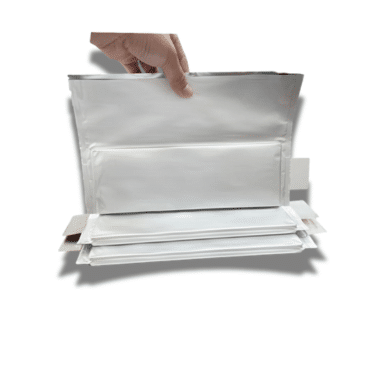
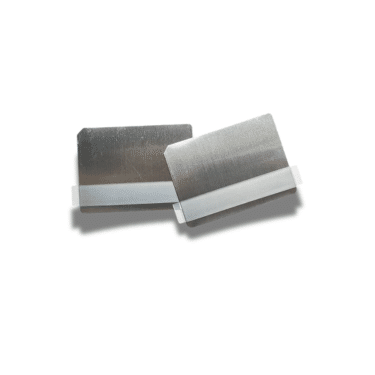
Ultrasonic welding is critical for joining thin, delicate non-ferrous foils and tabs within rechargeable batteries. It creates a high-conductivity joint without introducing heat that could damage the sensitive internal materials.
Examples: Welding copper anode foil and aluminum cathode foil, connecting tab leads to current collectors, or sealing aluminum laminated pouch film.
Automotive Wire Harness Splicing
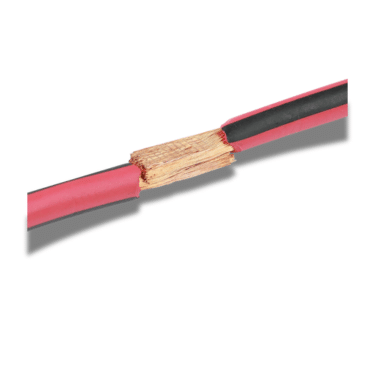
Used extensively in the automotive industry to join multiple strands of copper or aluminum wires. The process creates a solid-state metallurgical bond that ensures mechanical strength and low electrical resistance.
Examples: Splicing multi-strand wire bundles for vehicle control and power distribution systems, creation of grounding points, and splicing two different wire gauges.
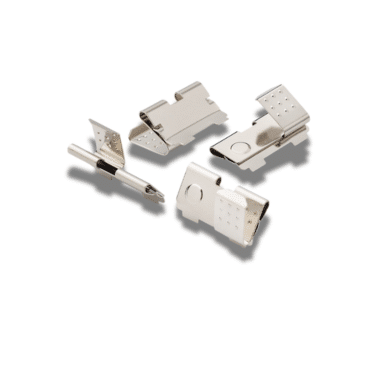
Electrical Terminal & Connector Assembly
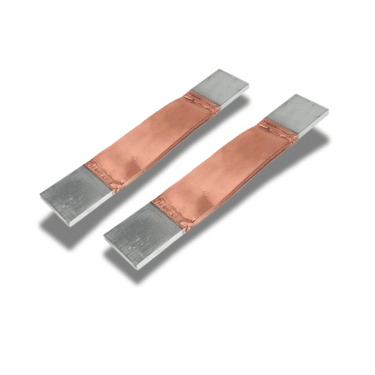
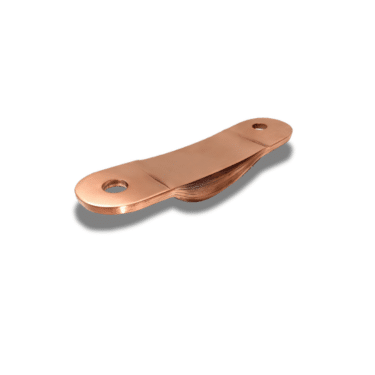
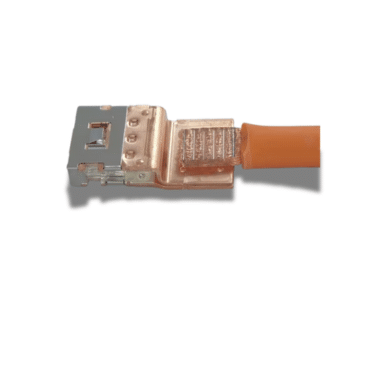
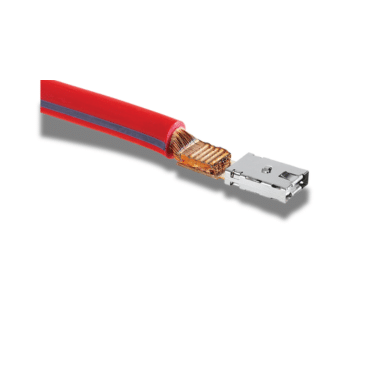
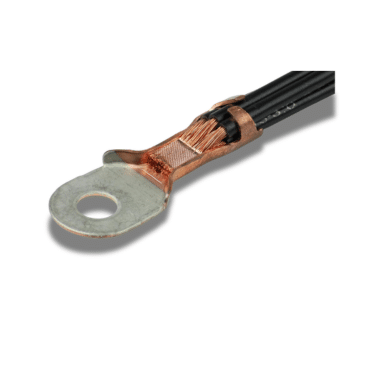
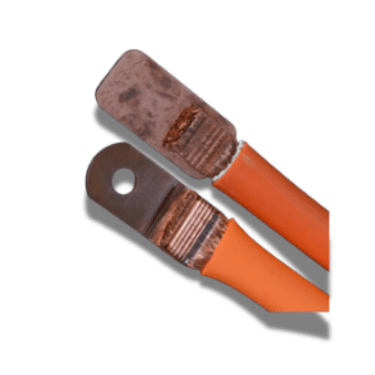
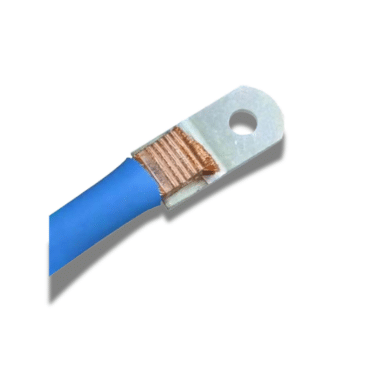
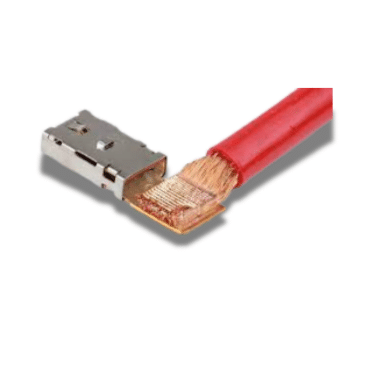
Ultrasonic welding is the preferred method for making robust electrical connections between wires and terminals. The resulting joint has superior conductivity compared to crimping or soldering.
Examples: Welding flexible cables directly to busbars in electric vehicle (EV) battery packs, joining wires to relays and fuses, and connecting terminals in sensors.
Solar Panel & Thermal Management Devices
The machine is used for joining thin metal sheets, primarily copper and aluminum, where maintaining the material integrity and thermal transfer efficiency is crucial.
Examples: Manufacturing solar thermal collectors by welding absorber plates and fluid tubes, and welding cooling fins onto heat sinks or heat pipes for electronics.
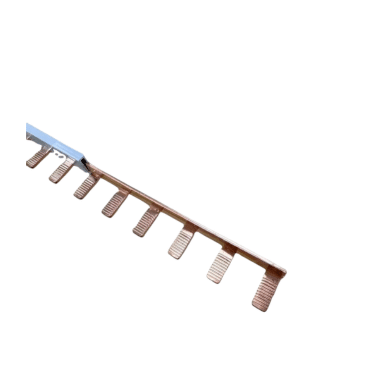
Electric Vehicle (EV) Component Assembly
Essential for the high-current distribution systems within EVs, where dependable, high-quality metal joints are non-negotiable for safety and efficiency.
Examples: Welding high-power cable connections to busbars, joining foil layers in the battery module, and connecting ground terminals to the chassis.
Small Electronic Component Contacts
Ultrasonic welding provides the precision needed to join miniature metal components in devices where space is limited and electrical reliability is paramount.
Examples: Making connections within transformers, relays, capacitors, and small motors, and joining the wire leads of coils.
Electrical & Home Appliance Products
Used in the assembly of certain medical instruments where clean, secure, and permanent metal-to-metal joints are required, often for conducting electricity or heat.
Examples: Joining fine wires within medical sensors, welding components of surgical tools, and connecting leads in patient monitoring devices.
Foil and Seam Welding
Applied to join overlapping thin metal sheets or foils to create hermetic seals or pressure vessels. This technique is cleaner than traditional fusion welding methods.
Examples: Sealing metal pouches or containers for various applications, and creating continuous seams for non-ferrous metal tubing or sheeting.
Ultrasonic Wire & Terminal Welding Machine
Electric Vehicle (EV) Busbar Connections
Critical for joining heavy-gauge wires or cables to busbars (rigid strips of metal) within EV battery packs. This ensures a highly reliable, low-resistance connection necessary for high-current power distribution and efficiency.
Examples: Connecting power distribution cables to the main battery modules, joining internal battery cell tabs to the busbar collector.
Solar Panel Output Connections
Used to weld flat ribbon conductors or wires to terminal blocks or power output points on solar cell strings and panels. The weld integrity is essential for maintaining consistent power output over the panel’s lifetime.
Examples: Attaching copper foil/wire leads to junction box terminals, welding thin absorber plates to carrier tubes.
High-Power Appliance Terminals
Applying welding to secure heavy-gauge power wires to internal metal terminals in large home appliances and industrial equipment. This prevents loosening or resistance heating at the connection point over time.
Examples: Welding wires to heating element terminals, attaching power cables to motor connection points in washing machines or industrial pumps.
Capacitor & Sensor Lead Attachment
Used for making precise, permanent connections between fine wire leads and the terminals of small electronic components. This offers a solder-free and flux-free bond, ideal for sensitive electronics.
Examples: Welding wire leads to the posts of high-performance capacitors or securing fine sensor wires to their metal base plates.
Automotive Wire Harness Splicing
The primary application involves joining multiple copper or aluminum wires (splicing) to create the complex wire harnesses used throughout vehicles. This results in a strong mechanical and electrical joint.
Examples: Splicing numerous small-gauge wires for data and control signals, creating grounding bundles, and joining wires of different diameters within the harness.
Lithium-Ion Battery Foil Welding
Used extensively for internal battery assembly, joining the ultra-thin copper anode foil and aluminum cathode foil. The cold welding process avoids thermal stress on the battery chemicals.
Examples: Stacking and welding multiple layers of the anode and cathode foils to create a current collector.
High-Frequency Coil & Winding Assembly
Used for welding the fine enamelled magnet wires (like copper or aluminum) together or to a lead wire. The vibration cleanly removes the enamel insulation during the process.
Examples: Splicing windings in transformers, motors, and electromagnetic coils used in electronics.
Appliance and Electronics Power Cord Splicing
Splicing the ends of internal power supply cables to ensure a reliable and durable connection before they are moulded or connected to a plug or device component.
Examples: Joining the individual power wires inside durable power cords for tools, industrial machinery, and household appliances.
Ultrasonic Plastic Welding Machine
Plastic Housings & Electronic Enclosures
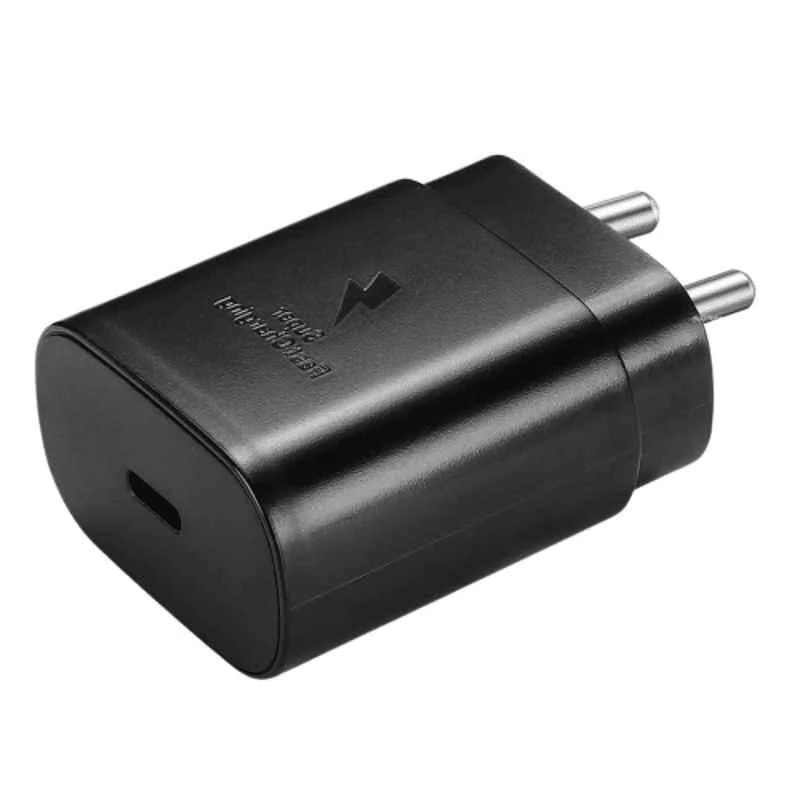
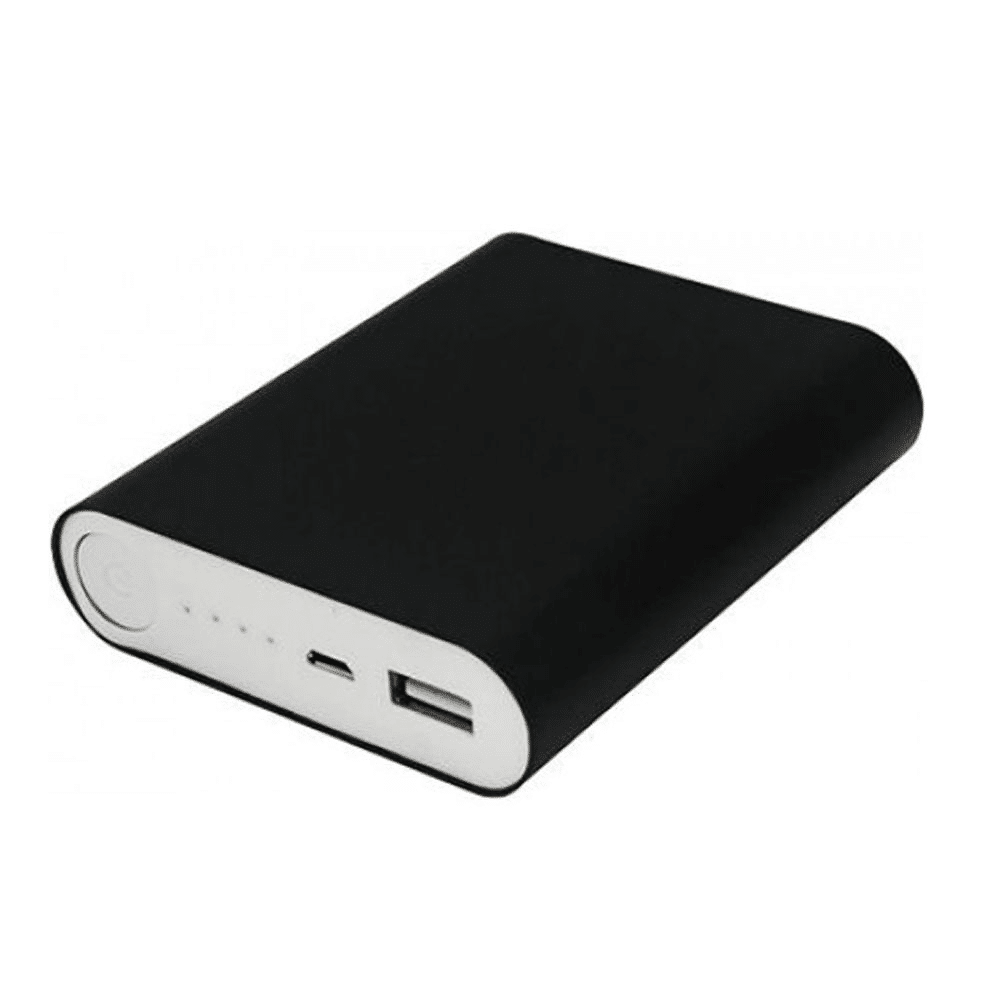
Ultrasonic welding is widely used to join two plastic shells or covers used in electronic devices. It ensures airtight and tamper-proof sealing without screws or adhesives.
Examples: Chargers, adapters, power banks, remotes, sensors, IoT casings, routers.

Medical & Healthcare Device Assembly
Ultrasonic welding provides clean, contamination-free joints required for medical products. Since it is a non-chemical process, it maintains hygiene and product safety.
Examples: IV filters, masks, nebulizer parts, test kit components, medical valves, fluid connectors.
Consumer Goods & Household Plastic
Ultrasonic welding is ideal for high-volume production of daily-use products. It provides consistent welds and enhances the life of the final product.
Examples: Toys, kitchen accessories, beauty products, water filter components, packaging boxes.
Packaging, Sealing & Closures
Used for sealing thin-wall plastic parts and packaging materials where leak-proof, tamper-proof closure is important.
Examples: Blister packs, bottle caps, plastic lids, container closures, small food packaging components.
Automotive & Transportation Components
Automobile manufacturers use ultrasonic welding for precision joining of functional plastic parts. It offers vibration-resistant, durable welds that can withstand harsh operating conditions.
Examples: Fuel filters, dashboard panels, interior trims, switches, lighting housings, engine bay components.
Mobile Accessories & Smart Device
Small plastic parts used in gadget manufacturing require accurate and strong welding. Ultrasonic technology ensures perfect alignment and seamless finish.
Examples: Earbuds/TWS cases, USB/Type-C housings, mobile battery covers, Bluetooth device casings.
Electrical & Home Appliance Products
Plastic components used in electrical appliances require safe and durable joints to withstand heat and voltage. Ultrasonic welding offers precise and strong weld connections.
Examples: LED light housings, switches, plug tops, appliance panels, mixer cover parts, stabilizer covers.
Industrial, Tooling & Automation
Ultrasonic welders are integrated into semi-automatic and fully automatic production lines for high-speed output.
Examples: Conveyor-based assembly, robotic welding stations, custom welding fixtures, multi-point welding systems.
Our Values
Driving Manufacturing Excellence Through Core Principles.
LATEST POST
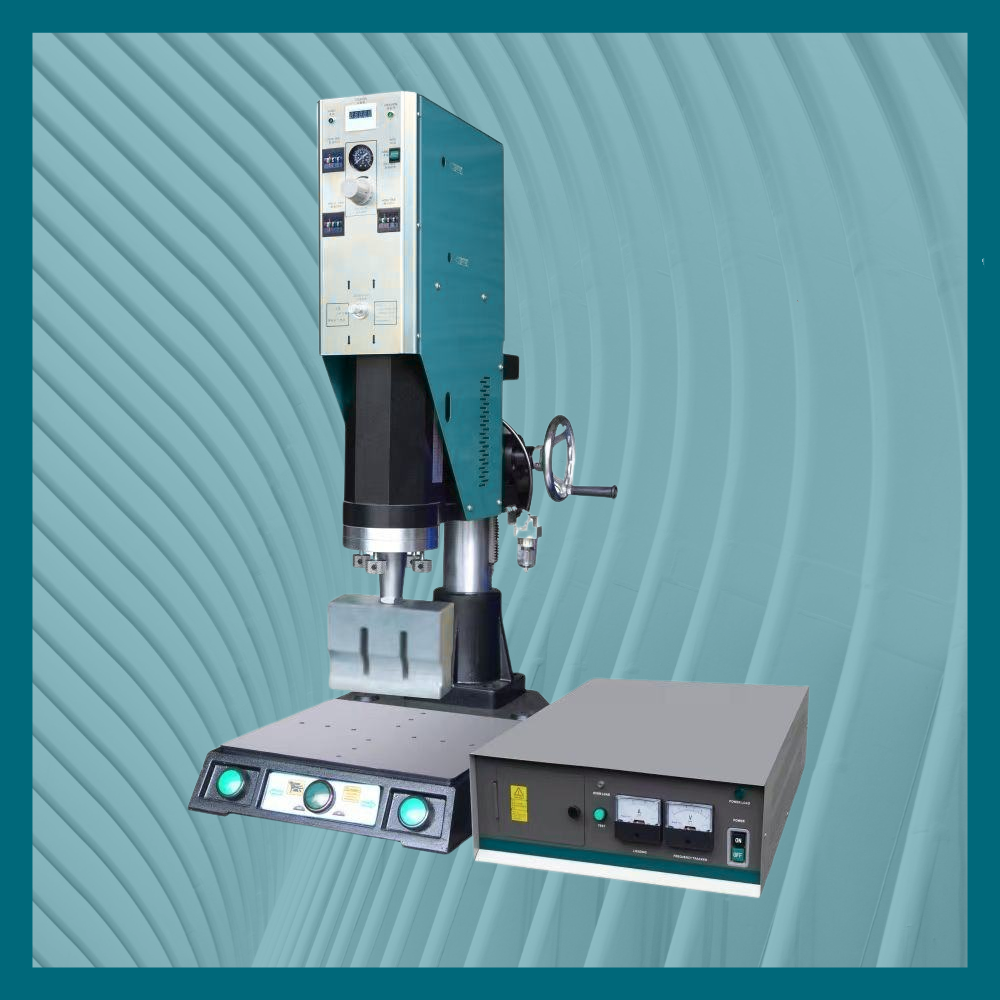
How Ultrasonic Welding Enhances the Quality of Medical Filter Housing