Medical filter housing are essential components used in healthcare settings. They protect patients by ensuring that fluids and air passing through them remain clean, sterile and free from contamination. Because these housings operate under pressure, they must be sealed with extreme accuracy. Even a minor defect can lead to leakage, compromised filtration or device failure.
Manufacturers traditionally used glue or thermal processes to join plastic filter housings. Although these methods can work in basic applications, they create several problems. Adhesives may introduce chemicals into the product, and hot-plate welding may deform small or thin-wall plastic parts. As a result, both processes increase the risk of contamination and structural weakness.
Ultrasonic welding solves these issues by using high-frequency vibration to melt and fuse plastics at the joint. The process occurs very quickly, and it generates heat only at the interface. Therefore, the surrounding plastic remains stable, and the final welded part maintains its original dimensions.
One of the biggest advantages is cleanliness. Since the method does not require glue, solvents or external heat, the filtration device remains free of unwanted substances. This is particularly important for medical applications where sterility is non-negotiable. In addition, ultrasonic welding produces strong, repeatable welds, allowing manufacturers to maintain consistent quality across all units.
Medical filter housings often use polypropylene or polyethylene. These materials respond extremely well to ultrasonic energy, making them ideal candidates for this type of assembly. With accurate weld settings, the ultrasonic system forms a bond that can withstand pressure, temperature variations and continuous flow of liquids.
Manufacturers also benefit from the fast cycle time. Because the weld is completed in milliseconds, production output increases without compromising quality. Ultrasonic welding reduces downtime and eliminates curing time associated with adhesives. Moreover, the equipment offers precise control over weld time and amplitude, helping manufacturers adjust the process for different housing designs.
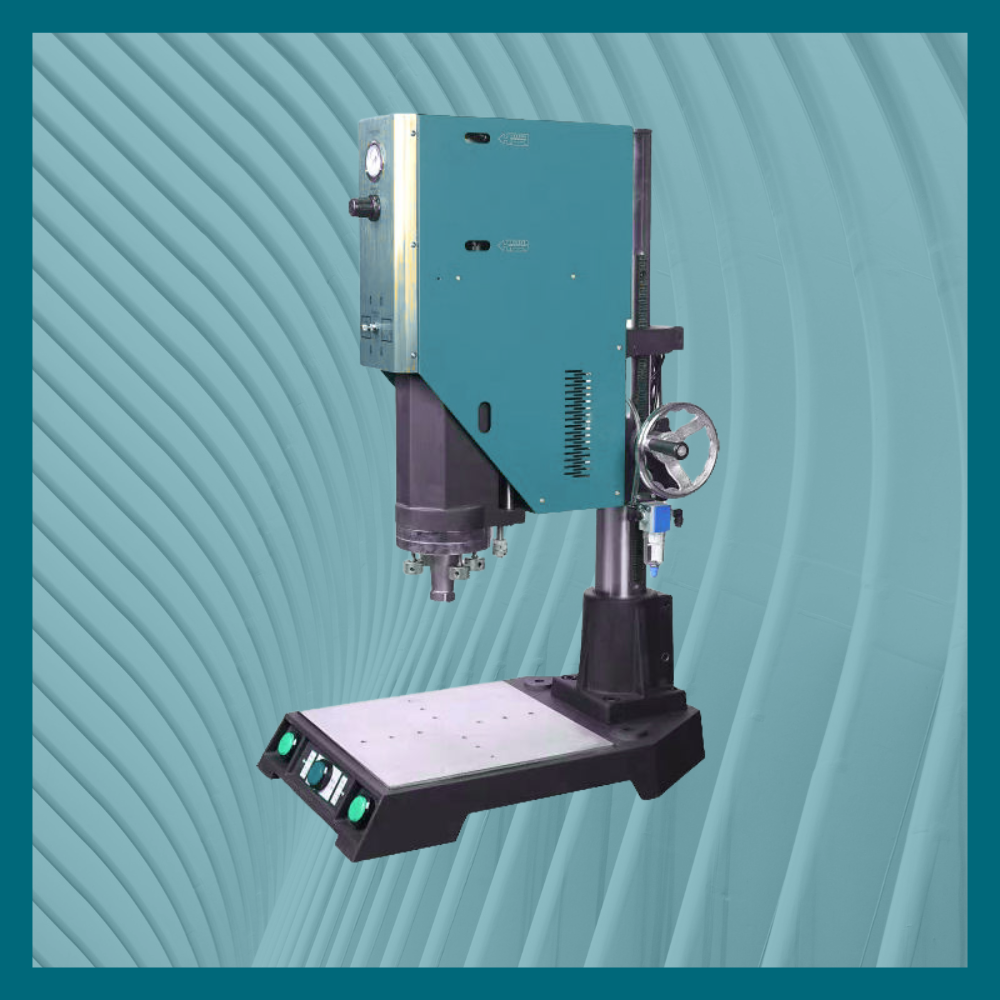
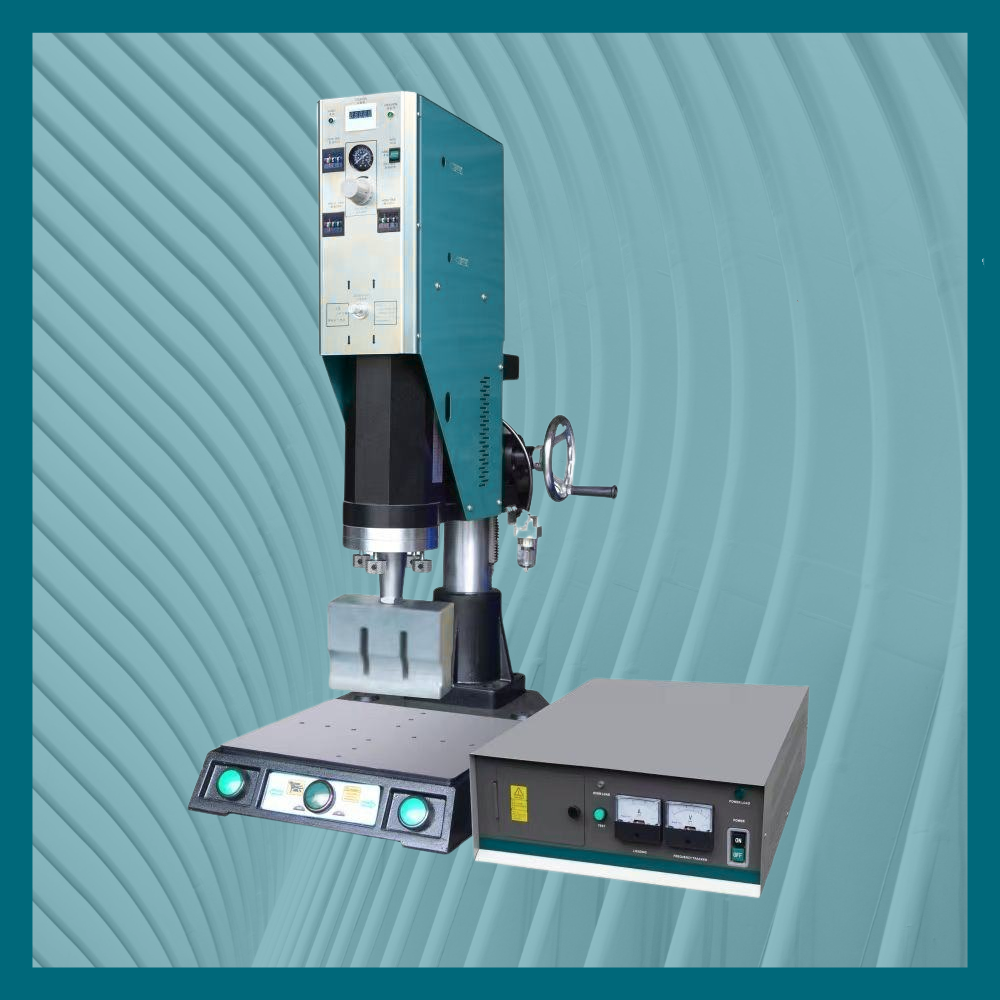
As healthcare technology advances, demand for reliable filtration components continues to grow. Ultrasonic welding supports this growth by providing a solution that is clean, consistent and highly efficient. When combined with a well-designed machine such as the altrAsonix ultrasonic welding system, manufacturers can achieve the level of precision required for medical products used worldwide.
Related Products
15 KHz Ultrasonic Plastic Welding Machine
Original price was: ₹180,000.00.₹175,000.00Current price is: ₹175,000.00.15 KHz Ultrasonic Plastic Welding Machine
Original price was: ₹180,000.00.₹175,000.00Current price is: ₹175,000.00.20 KHz Ultrasonic Plastic Welding Machine
Original price was: ₹180,000.00.₹175,000.00Current price is: ₹175,000.00.20 KHz Ultrasonic Plastic Welding Machine
Original price was: ₹180,000.00.₹175,000.00Current price is: ₹175,000.00.